Cardio Strength Workouts: Meaning, Format, and Examples
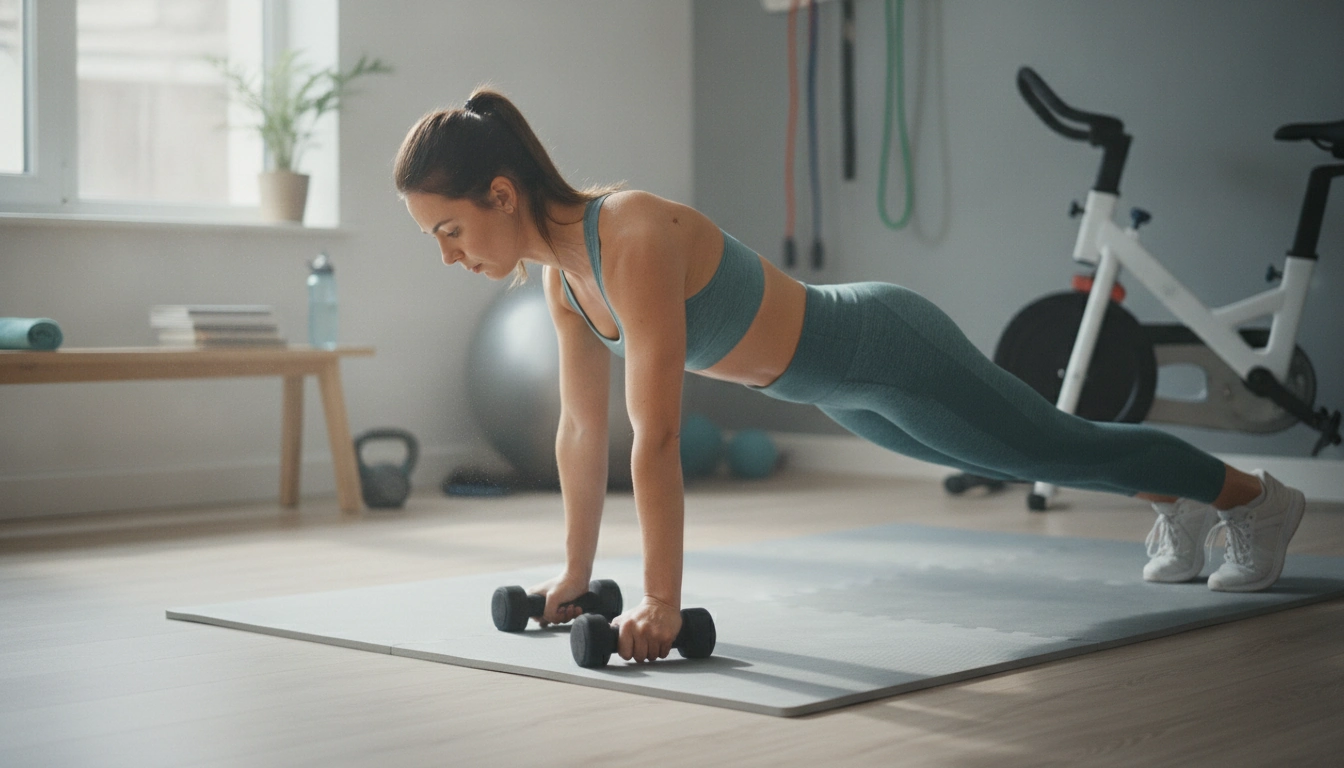
What is a cardio strength workout?
A cardio strength workout blends heart-pumping movement with resistance-based exercises in the same session. Instead of doing a long, steady run and lifting weights separately, it alternates or combines strength moves (like squats, rows, presses, and lunges) with cardio bursts (like jumping rope, fast cycling, high knees, or brisk intervals). The result is a workout that challenges your muscles and elevates your heart rate at the same time.
This style of training is often structured as circuits, intervals, or “combo” sets. For example, you might do 10–12 reps of a dumbbell squat, then immediately follow with 30–60 seconds of a cardio move, rest briefly, and repeat for multiple rounds. Because rest periods can be shorter and transitions are quicker, cardio strength workouts tend to feel efficient and fast-paced.
What does a cardio strength workout include?
Most sessions include a warm-up, a series of full-body or upper/lower circuits, and a short cool-down. Strength work typically targets major muscle groups using bodyweight, resistance bands, kettlebells, machines, or dumbbells. Cardio segments may be low-impact (marching, step-ups, incline walking) or higher-impact (burpees, jump squats), depending on fitness level and joint comfort.
Why do people choose this type of workout?
Cardio strength workouts are popular for building functional strength while also improving cardiovascular endurance. They can support calorie burn during and after training, help maintain muscle while cutting body fat, and fit well into a busy schedule because they deliver two training goals in one session.
For a deeper breakdown and examples of how to structure one, visit this complete guide on cardio strength workouts.
For Cardio Strength Workouts: Meaning, Format, and Examples, the best answer depends on fit, material, care instructions, and how the product will be used day to day.
FAQ
What are some examples of cardio strength exercises?
Common examples include squat-to-press (thrusters), kettlebell swings, dumbbell lunges paired with jump rope, rowing intervals between strength sets, and circuits that rotate push-ups, rows, and step-ups with short cardio bursts.












Leave a comment